
Heritage Décor: Respecting Original Features While Adding Comfort
Manchester and Liverpool homes have character you won’t find elsewhere. Learn which features to restore, what to leave alone, and how modern pieces actually complement period spaces.
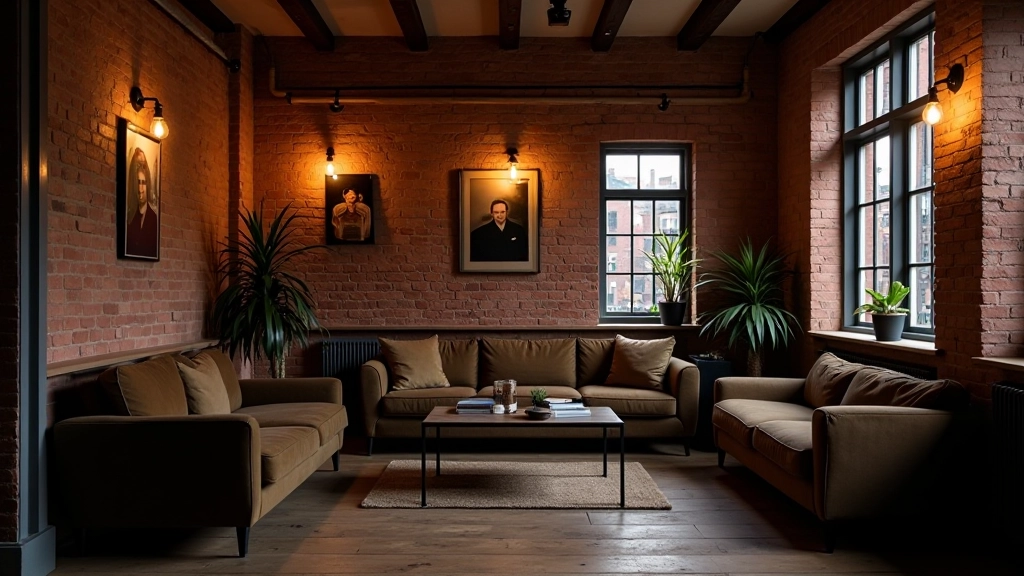
There’s a real tension when you’re designing a heritage home. You’ve got original Victorian cornicing, cast-iron fireplaces, maybe exposed brick that took three days to uncover. And you also want to actually live comfortably — proper heating, decent lighting, space that doesn’t feel like a museum.
The good news? You don’t have to choose. Modern comfort and period character aren’t enemies. They’re actually pretty compatible when you know what you’re doing.
What Makes Period Features Worth Keeping
Not everything old is beautiful, but the genuinely good stuff deserves respect.
Original features aren’t just decoration. They’re evidence of craftsmanship that you literally can’t replicate anymore. A plaster ceiling rose, hand-carved cornicing, timber floorboards with real depth — these things have a presence that mass-produced modern alternatives simply can’t match.
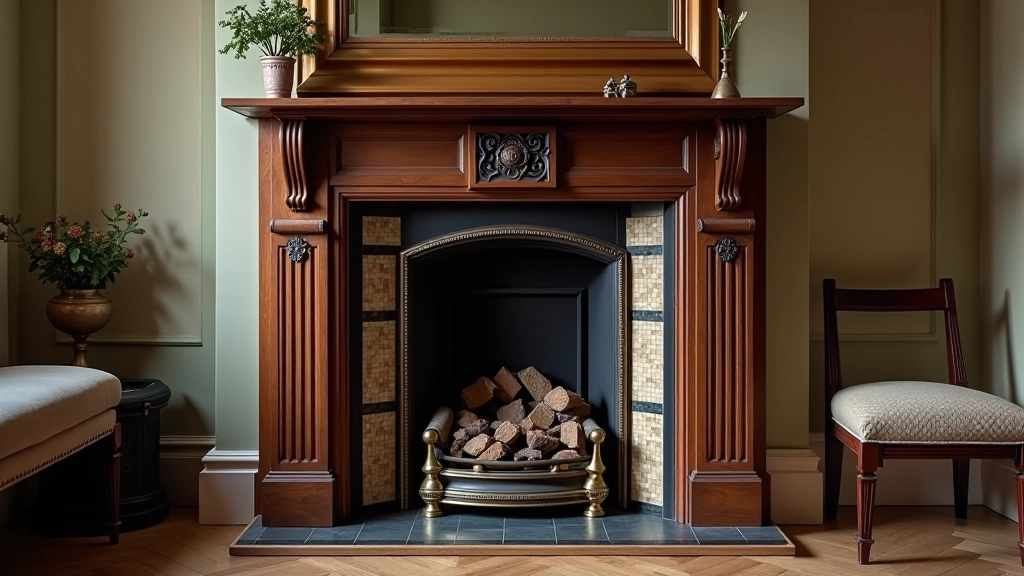
Here’s what’s worth prioritizing: Load-bearing walls and structural elements (you have no choice anyway), original fireplaces with working flues, period windows if the frames are solid, decorative plasterwork that’s in decent condition, and hardwood flooring that can be restored.
The thing about heritage homes is they’ve got bones. Real bones. Once you start seeing that, everything else follows more naturally. You’re not fighting against the space anymore.
Adding Modern Comfort Without Erasing History
Here’s the practical bit. Heritage homes are drafty. They’re cold. They’ve got dodgy plumbing and electrical work that makes electricians cry. You need to fix this. The question isn’t whether you’ll modernize — it’s how you’ll do it invisibly.
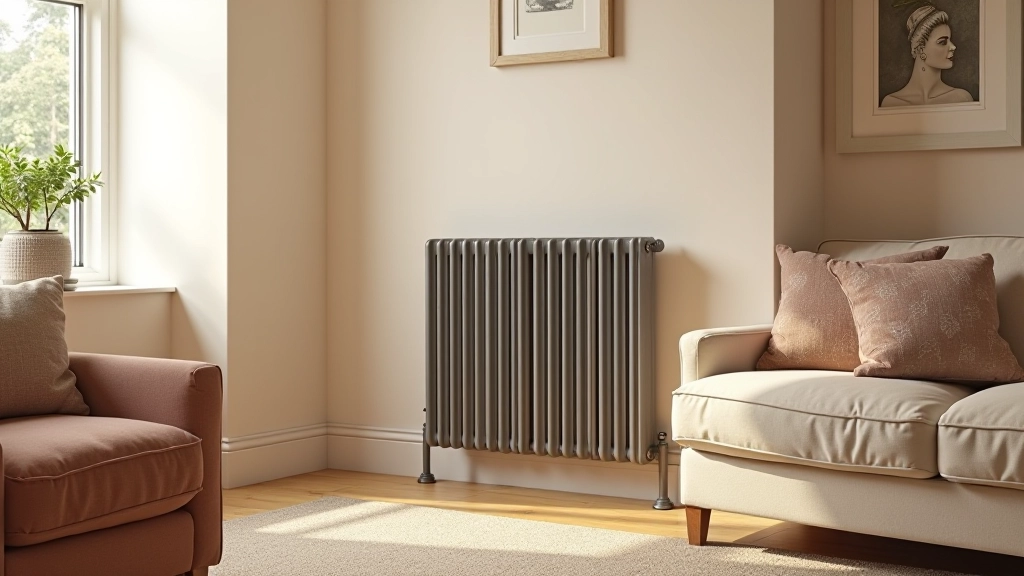
Modern heating works brilliantly with period homes because you can hide it. Instead of replacing original radiators, paint them the same color as the walls. Install underfloor heating — nobody sees it, but you actually feel warm in January. Consider subtle air vents rather than modern extraction fans.
For lighting, recessed spotlights ruin period rooms. Instead, position lamps strategically. Wall lights with period-appropriate shades work beautifully. The goal is creating pools of warm light rather than flooding everything in brightness.
Quick win: Paint modern radiators and pipes the same color as your walls. Costs nothing, transforms the whole room.
Material Choices That Actually Work
Flooring
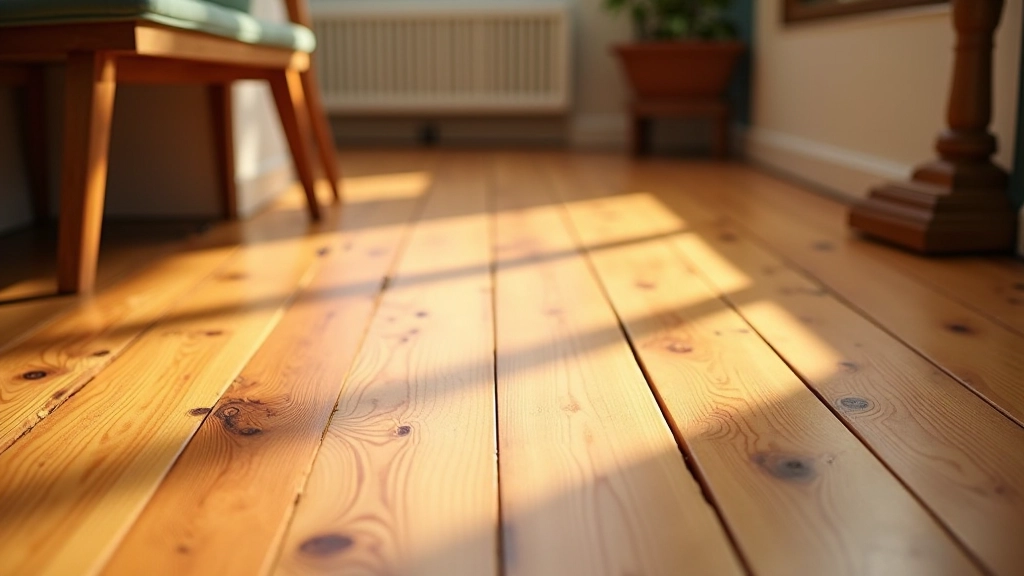
Strip and restore original boards if they’re worth saving — and they usually are. Most Victorian and Edwardian floorboards just need proper sanding and finishing. For areas that’ve been damaged, match timber types and widths as closely as possible. Real wood always looks better than laminate, especially in period homes.
Paint
Don’t overthink this. Heritage homes don’t need heritage-brand paint — they need paint that’s formulated for old walls. Breathable finishes help manage moisture that’s been absorbed into plaster for decades. Avoid vinyl-heavy modern emulsions that create a plastic finish.
Soft Furnishings
This is where you can have fun. Heavy linen, cotton damasks, wool upholstery — these materials genuinely suit period rooms. They age beautifully and don’t look out of place. Avoid overly contemporary synthetic fabrics that look at odds with the space.
Rethinking Room Purpose
Period homes weren’t designed for modern living patterns. You’ve got a front parlor, a back room, a scullery. Nobody wants that anymore. The temptation is to rip down walls and create an open-plan space. Sometimes you can. But sometimes the walls are structural, or removing them loses the character entirely.
Instead, think about visual flow. You don’t always need to remove walls to make spaces feel connected. Pocket doors (they’re period-appropriate) let you open rooms up when you want them. Large doorways with architectural detail create sight lines without demolition.
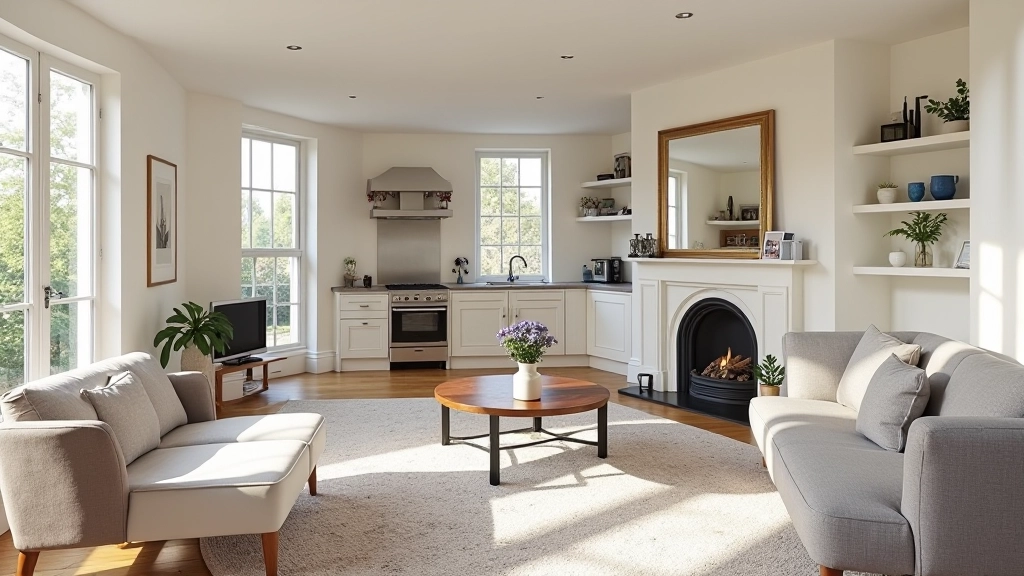
Modern furniture actually works well in period rooms if you choose carefully. A simple contemporary sofa looks clean against ornate cornicing. It’s the cluttered, fussy stuff that fights with period detail. Less is genuinely more here.
Practical Steps to Get This Right
Survey What You’ve Actually Got
Spend a weekend documenting original features before you do anything. Photographs, measurements, notes on condition. You’re making an inventory of your home’s character.
Prioritize by Impact
What’s visible from the main sightlines? Ceiling roses and cornicing matter. That wonky cupboard under the stairs matters less. Restore visible character first.
Hide Modern Systems Ruthlessly
Radiators, pipes, electrics, cables — treat these as invisible infrastructure. Paint them out. Run them through walls. Box them in with period-appropriate finishes.
Choose Furniture Carefully
Three good pieces that suit the space beat twelve random modern items. Quality matters more than quantity in period homes.
The Real Goal
You’re not trying to create a museum piece. You’re trying to live in a home that’s genuinely beautiful and actually comfortable. That means respecting what’s good about the original design — the proportions, the light, the craftsmanship — while quietly adding what makes modern life bearable.
The best heritage interiors don’t feel like they’re trying. They feel inevitable. Like the space always wanted to be this way. That’s the balance you’re aiming for.
Information Disclaimer
This article is educational and informational in nature. Interior design preferences vary significantly based on individual circumstances, local building regulations, property condition, and structural requirements. Always consult with qualified surveyors, architects, or experienced tradespeople before undertaking any renovation work on heritage properties. Building regulations and conservation requirements vary by region and property type — verify local requirements before making any structural changes.